Introduction
Have you ever wondered how music or voices come out of a small box called a speaker? It’s amazing how these devices can turn electrical signals into sounds we can hear. Speakers are everywhere in our phones, computers, TVs, and cars. They bring life to our favorite songs, movies, and games. In this blog, we will explore the secret behind speakers. We will learn how they work, what parts they have, and how they make sound come to life. Don’t worry; everything will be explained in simple words. Let’s start!
What Is a Speaker?
A speaker is a device that changes electrical signals into sound waves. These sound waves travel through the air and reach our ears. When the sound waves reach our ears, we hear music, voices, or any sound the speaker is playing. Every speaker has some important parts that help it do this job. We will look at these parts next. Speakers come in many sizes and shapes. Some are very small, like the ones inside your phone or earbuds. Others are much bigger, like the speakers used in concerts or home theater systems. No matter their size, all speakers work on the same basic idea — they take electrical signals and turn them into sounds we can hear. The electrical signals that speakers use come from different devices like music players, TVs, computers, or radios. These signals carry information about the sound, such as volume, pitch, and tone. The speaker reads this information and moves parts inside it to create matching sound waves. Sound waves are vibrations that travel through the air. When these vibrations reach our ears, our brain understands them as sounds. This is how speakers let us listen to music, hear voices during calls, or enjoy movies with clear sound. Because speakers are used in so many devices, they are a very important part of how we enjoy technology. Whether you are listening to your favorite song, watching a movie, or talking to someone far away, speakers make it possible to hear the sounds clearly and naturally.
Main Parts of a Speaker
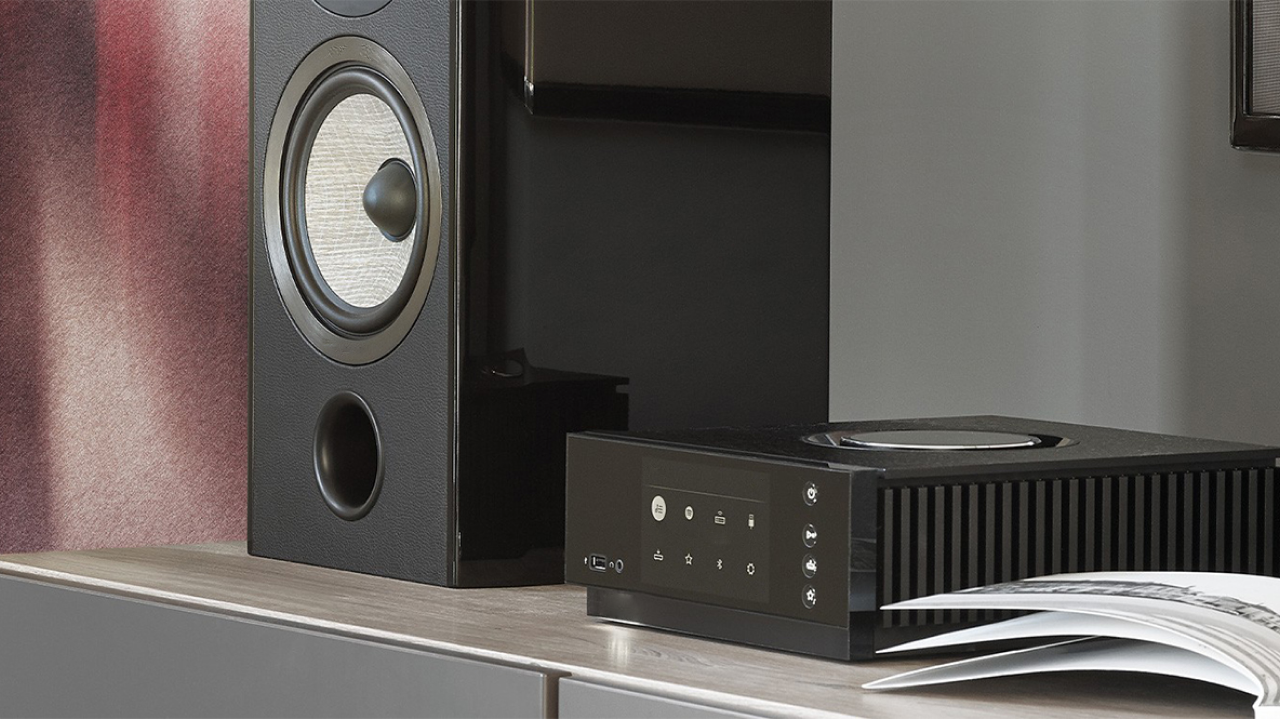
The main parts of a speaker work together to create sound that we can hear. The cone is the part you usually see on the front of the speaker. It looks like a small cone or a cup, and it moves back and forth to push air, which creates sound waves. The cone is often made from light materials like paper, plastic, or metal to help it move easily and produce clear sound. Attached to the cone is the voice coil, a coil of thin wire that plays a very important role. When electricity flows through the voice coil, it creates a magnetic field that changes with the sound signal. Near the voice coil, there is a strong magnet. The voice coil and magnet work together like a team: the magnetic field from the coil interacts with the magnet, causing the coil—and the attached cone—to move back and forth very quickly. This movement pushes air and creates the sound waves that travel to our ears. To make sure the cone moves properly and does not fall out of place, the speaker has parts called the spider and the surround. The spider is a flexible ring that holds the voice coil in position, while the surround is a soft edge around the cone that allows it to move smoothly. These parts keep everything connected and help the speaker produce clean and accurate sounds without damage.
How Does a Speaker Work?
When you play music or any sound on your device, it sends an electrical signal to the speaker. This signal is a tiny electric current that changes very quickly to match the sound’s pattern. The electrical signal flows into the voice coil, which is a coil of wire attached to the speaker cone. As the current passes through the coil, it creates a magnetic field that changes with the signal. Near the voice coil is a magnet, and the changing magnetic field causes the coil and the cone to move back and forth very fast. This movement is so quick that it happens hundreds or even thousands of times every second. When the cone moves, it pushes and pulls the air around it, creating vibrations in the air called sound waves. These sound waves travel through the air until they reach your ears. Your ears then detect these waves, and your brain changes them into sounds like music, voices, or other noises. This entire process happens very fast, allowing you to hear clear sound in real time. Without speakers, it would be very hard to enjoy music or hear sounds from electronic devices. So, speakers play a very important role in bringing sound to life from electric signals.
Different Types of Speakers
There are many different types of speakers, and they come in all sizes and shapes. Some speakers are very small, like the ones inside your phone or headphones, while others are much larger and can fill a whole room with sound, like the big speakers used in home theaters or concerts. The most common type of speaker is called a dynamic speaker. Dynamic speakers use a voice coil and a magnet to move the cone back and forth, which creates the sound waves we hear. These speakers are popular because they are strong, reliable, and work well for most kinds of sound. Another type is the electrostatic speaker, which uses electric charges to move a thin, flat surface instead of a cone. Electrostatic speakers produce very clear and detailed sound, with less distortion, but they are more delicate and expensive, so you don’t see them as often. Ribbon speakers use a very thin, lightweight metal ribbon that vibrates to create sound. These speakers are known for their ability to produce very accurate and natural sound, so they are often used by audiophiles people who love high-quality sound. Each type of speaker has its own strengths and is used in different situations, depending on what kind of sound is needed and where the speaker will be used.
Why Is Speaker Quality Important?
Speaker quality is very important because good speakers make sound clear, loud, and natural without any distortion or noise. When a speaker is of poor quality, the sound can become fuzzy, unclear, or too quiet, which makes listening unpleasant. The quality of a speaker depends on several things. First, the materials used to make the cone, voice coil, and magnet play a big role in how well the speaker performs. Stronger and lighter materials usually help produce better sound. Second, the size of the speaker matters—bigger speakers can often produce deeper and louder sounds, especially for bass. Finally, how well the speaker is made also affects the quality. Speakers that are carefully designed and built tend to last longer and give better sound. Choosing a good-quality speaker makes your listening experience much more enjoyable, whether you’re listening to music, watching movies, or playing games.
How Speakers Are Used Every Day
Speakers are used every day in many different places, and they play a big role in how we enjoy sound. You can find speakers inside phones and tablets, helping us hear music, watch videos, or talk on calls. Computers and TVs also have speakers that let us listen to movies, play games, or join video calls with friends and family. In cars, speakers are important for playing music and giving GPS directions while driving. At home, many people use home theater systems with multiple speakers to create surround sound, making movies and shows feel more exciting and real. Speakers are also used in concerts and public events, where large and powerful speakers help the music reach everyone in the audience, no matter how big the place is. From small personal devices to large public systems, speakers help bring sound to life in our daily lives
Taking Care of Your Speakers
Taking care of your speakers is important to make sure they work well for a long time. One easy way to protect your speakers is to avoid playing music too loudly for a long time, because very loud sounds can damage the speaker parts. It is also important to keep your speakers clean and free from dust, as dust can block the small openings and affect the sound quality. Be gentle with your speakers—don’t drop them or shake them, because rough handling can break the delicate parts inside. Another way to get the best sound from your speakers is to use good quality music files. Low-quality or heavily compressed files do not sound as good and can make your speakers work harder to produce clear sound. By taking these simple steps, you can enjoy your speakers for many years with great sound.
The Future of Speakers
The future of speakers looks very exciting because technology keeps improving them every day. Today, many new speakers can connect to phones, computers, and other devices without wires, using Bluetooth or Wi-Fi. This makes it easier to listen to music anywhere without being tied down by cables. Some modern speakers use smart technology to adjust the sound automatically based on the size and shape of the room they are in. This means they can make the music sound better no matter where you place them. In the future, speakers may become even smarter, with better sound quality, longer battery life, and new features like voice control or the ability to understand your preferences. These improvements will make listening to music and sound more enjoyable and convenient for everyone.
Conclusion
Speakers are amazing devices that bring sound to life in ways we often don’t think about. They use magnets, coils, and cones working together to change electrical signals into music, voices, and all kinds of sounds that we can hear and enjoy. From the small speakers in your phone to the big ones in your car or home theater, speakers make our world full of sound, music, and joy. Understanding how speakers work helps us appreciate the technology behind everyday sounds. Now that you know the secret behind how they work, you can enjoy your music and movies even more!