Introduction :
In today’s world Smartphones and tablets are two of the most common devices that we use every day. People rely on them for a variety of tasks such as communication , entertainment , learning , work and much more . But if you had to choose Between the two , Which one would the best for every day use? Both devices has their advantages and disadvantages . in this blog we will explain to compare smartphone and tablets in simple terms to help you decide which one is best for your daily needs.
What is a Smartphone?
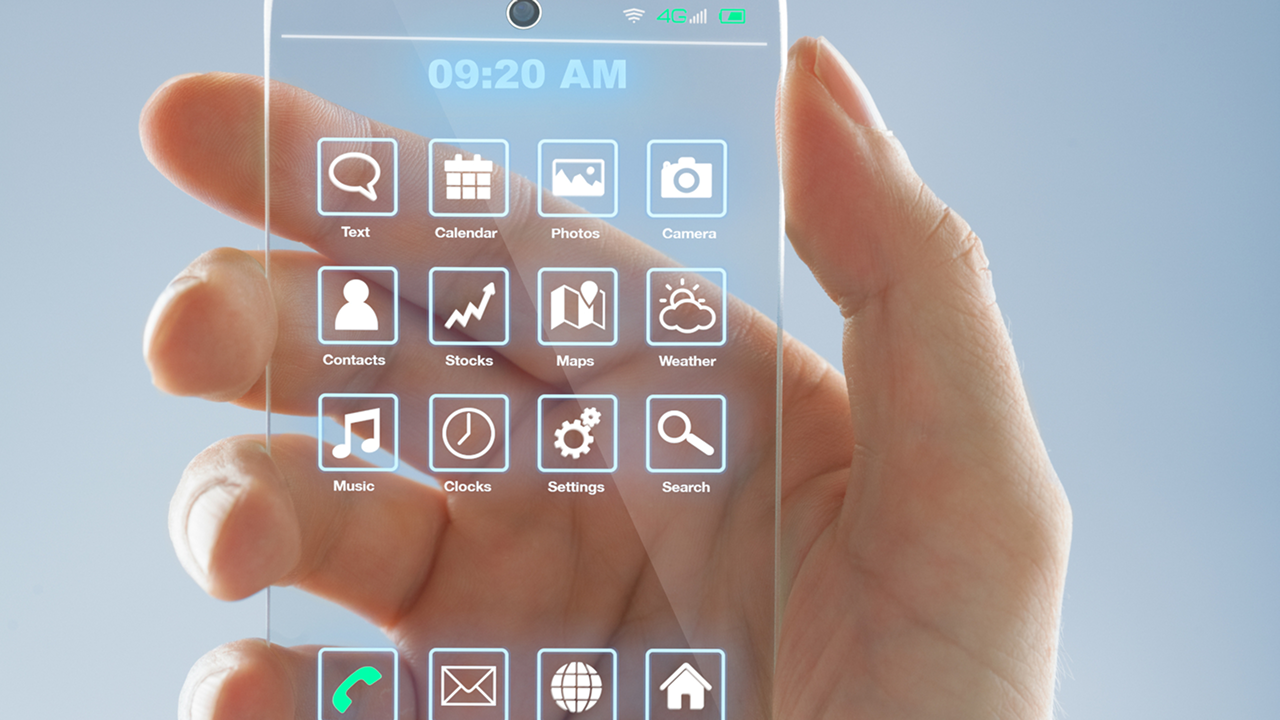
A smartphone is a small mobile device that allows you to make calls and text message , brows the internet , and use many different apps. it’s like a mini-computer that fits in your pocket. you can use smartphones for many things such as talking to friend and family, checking emails , watching videos and even playing games. modern smartphone are powerful and have good cameras so you can takes photos, record videos and share them other. Most smartphones also allow you to access social media sites like facebook , instagram and twitter to keep in touch with people stay update with what’s happening around the world. Smartphones can connect to the internet using Wi-Fi or mobile data, so you can browse websites, watch movies, or use apps wherever you are. They also have GPS technology, so you can find directions and track your location. In addition, smartphones can store and play music, show pictures, and help you organize your day with calendars and reminders. You can also use them for work tasks, like creating documents, sending emails, or attending video meetings. One of the best feature of smartphones is how easy they are small enough to fit in your pocket or bag so you can take them anywhere. they are much smaller and lighter than a tablet, which make them more portable. they also have advance security feature such as fingerprint , scanner to protect your personal information.
What is a Tablet?
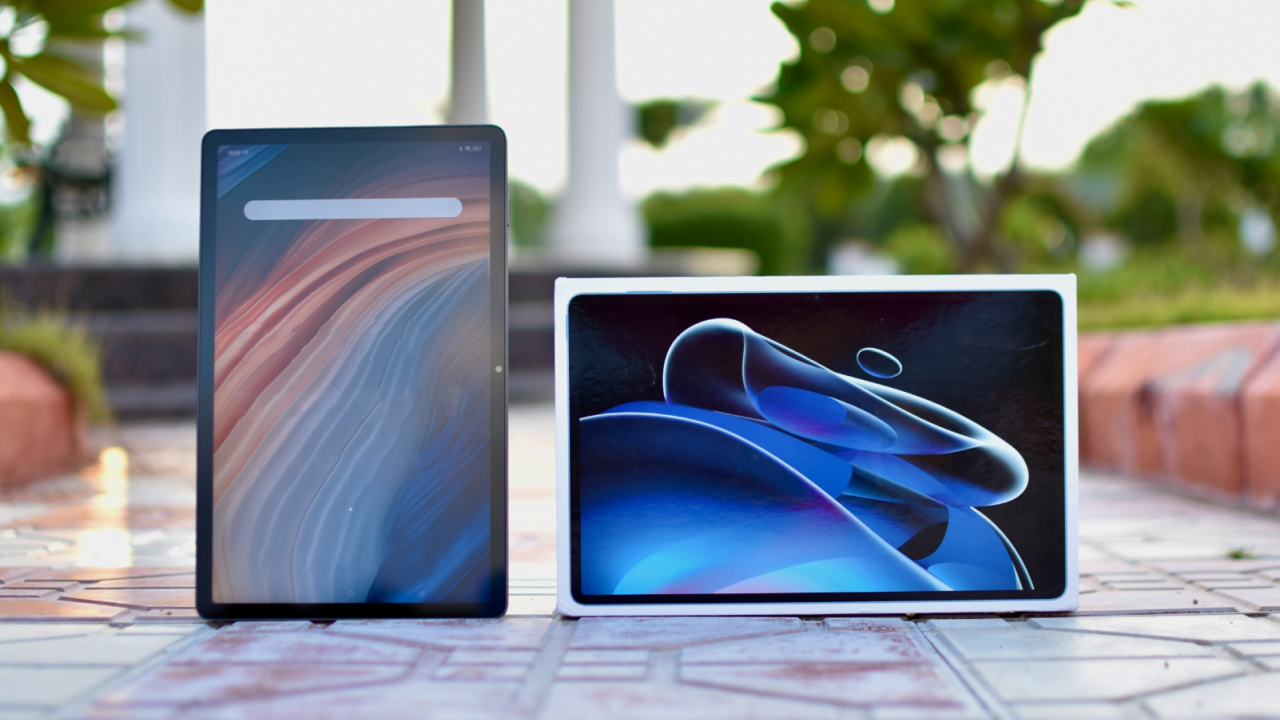
A tablet is a larger device that looks like a big smartphone but has a larger screen. Tablets are mainly used for browsing the internet, watching movies, reading, and sometimes playing games or working. Most tablets come with a touchscreen and don’t have a physical keyboard, but you can buy one separately if you need it. Tablets are usually better for media consumption, reading, and casual gaming because their bigger screens make everything look better. tablet are lightweight and portable making them easy to carry around and use on the go. they typically run on mobile operating system like android or something windows. many tablet also support apps that allow user to draw, take notes or video chat. Some high end tablet even come with style pen for more precise input, useful for artists, designers, or students. Tablets also have long battery life, which makes them ideal for travel and extended use throughout the day without needing frequent charging. They are commonly used by children for educational apps and games, by professionals for presentations or reading documents, and by travelers for navigation and entertainment. Some tablets come with cellular connectivity, meaning you can insert a SIM card and use mobile data, just like a phone. This makes it easy to stay connected even when there’s no Wi-Fi available. Most tablets also have front and rear cameras, allowing users to take pictures, record videos, or make video calls. Overall, tablets are versatile devices that combine the features of a smartphone and a laptop, offering users a flexible way to stay productive, entertained, and connected.
Key Differences Between Smartphones and Tablets
1. Size and Portability
One of the biggest differences between smartphones and tablets is their size. Smartphones are compact, light, and easy to carry around. They can fit easily in your pocket or bag, making them perfect for people who are always on the go. Their small size makes them convenient for quick tasks like sending messages, checking notifications, or making phone calls. Tablets, on the other hand, are bigger and bulkier. While they are still portable, they are harder to carry in your pocket. However, tablets are great for people who need a larger screen for tasks like reading, watching videos, editing documents, or drawing. The larger display is more comfortable for extended use and reduces eye strain when compared to smaller screens. Because of their size, smartphones are often used for quick, on-the-go interactions, while tablets are more suited for relaxed or focused activities, like studying or watching a movie at home. Also, tablets usually require a bag or case for easy transport, whereas a smartphone can be carried without one.
2. Screen Size
The screen size is another important difference between smartphones and tablets. Smartphones usually have screens between 5 and 7 inches. The small size makes them perfect for single-handed use and easy portability. You can quickly pull out your phone to send a message, check a notification, or browse social media. However, the smaller screen can make reading long articles, watching videos, or working on documents a bit challenging, especially for extended periods. Tablets have much larger screens, usually between 8 and 12 inches or more. This larger display provides a better viewing experience, making them ideal for watching movies, reading eBooks, browsing the web, and using apps that require more screen space. The bigger screen is also helpful for creative tasks like drawing, photo editing, or designing, especially when used with a stylus. In addition, the larger screen on a tablet makes multitasking easier. Some tablets allow you to run two apps side by side, which can be useful for students, professionals, or anyone who needs to work on multiple things at once. While smartphones are getting larger over time, they still can’t match the level of comfort and clarity a tablet provides for media consumption or productivity.
3. Performance and Power
In terms of performance, both smartphones and tablets have powerful processors, but there are some differences depending on the model and purpose of the device. Smartphones often have faster and more advanced processors than many tablets. Since they are designed for high-speed communication and multitasking, modern smartphones are equipped to handle demanding tasks like gaming, video editing, streaming, and running multiple apps at once. High-end smartphones also come with more RAM and better graphics capabilities, which makes them suitable for intensive use. Tablets usually have good performance, but many are built with a focus on media consumption and light tasks, such as reading, browsing the web, watching videos, or using educational apps. While high-end tablets like the iPad Pro or Samsung Galaxy Tab S-series can compete with laptops and top-tier smartphones in terms of power, most mid-range or budget tablets are not optimized for heavy-duty tasks like 4K video editing or high-end gaming. Also, because tablets have larger bodies, they can sometimes handle heat better and include larger batteries, allowing for longer sustained performance even if the raw processing power is slightly lower than that of a flagship smartphone. In short, if you need a device for high-performance tasks, a smartphone may be better. But if you’re looking for a smooth and comfortable experience for everyday use, a tablet can still offer plenty of power.
4. Battery Life
Both smartphones and tablets come with rechargeable batteries, but their battery life can vary based on how they’re used and how big the battery is. Smartphones have batteries that usually last for a full day with regular use, including texting, calling, browsing, using social media, and running apps in the background. However, battery life can drain quickly if you’re using power-hungry apps like games, navigation, or streaming services. Newer smartphones come with fast-charging technology, which helps users recharge quickly when the battery gets low. Tablets often have longer battery life overall because their larger size allows for a bigger battery. You can usually use a tablet for an extended period often 8 to 12 hours or more especially if you’re just watching videos, reading eBooks, or browsing the web. Tablets are designed for long sessions of media consumption, making them ideal for travel, work, or studying without needing to recharge frequently. That said, battery life also depends on screen brightness, background apps, and how powerful the processor is. High-end tablets with large, bright displays may drain faster if used for gaming or professional work. But for general day-to-day use, tablets typically outlast smartphones in terms of screen-on time.
5. Camera Quality
If you need a device with a good camera, it’s important to consider the differences between smartphones and tablets. Smartphones typically come with high-quality cameras, both on the front and back. Many modern smartphones have multiple lenses such as wide-angle, ultra-wide, telephoto, and macro that allow you to take professional-looking photos and videos. Features like portrait mode, night mode, optical zoom, and 4K video recording are common in mid to high-end smartphones. They are designed to replace traditional cameras for everyday use and are ideal for photography, social media, video blogging, and even filmmaking in some cases. Tablets, while they do have cameras, generally do not focus as much on camera quality. Most tablets come with a basic rear camera and a front-facing camera that’s good enough for video calls, online classes, or scanning documents. The image quality is usually lower, and they often lack advanced features like optical image stabilization or high zoom levels. Due to their size and shape, tablets can also be awkward to hold steady for photography. In general, if capturing high-quality photos and videos is important to you, a smartphone is the better choice. Tablets are more useful for casual use like video chatting or attending virtual meetings.
When Should You Choose a Smartphone?
You should consider choosing a smartphone if you need a device that is small, lightweight, and easy to carry around. Smartphones are ideal for people who want something that fits in their pocket and can be used quickly and conveniently throughout the day. They are designed primarily for communication, making it easy to make calls, send messages, and stay connected through various apps and social media platforms. If you do most of your work, browsing, and socializing on a small screen, a smartphone offers everything you need in a compact form. Smartphones also provide fast and easy access to entertainment, apps, and information, no matter where you are. Additionally, if having a high-quality camera is important to you, smartphones usually outperform tablets in photography and video capabilities. Most smartphones support mobile data, so you can stay connected to the internet even when Wi-Fi isn’t available. Overall, a smartphone is a great choice if you want a powerful, all-in-one device that’s perfect for everyday use on the go.
When Should You Choose a Tablet?
You should think about choosing a tablet if you like a bigger screen for things like watching movies, surfing the internet, or reading books. Tablets have bigger screens that make watching videos and other activities more enjoyable and easier on your eyes. They are also good for work, like making documents, editing spreadsheets, or creating presentations, especially if you use a keyboard or special pen. If you like drawing or doing digital art, tablets with a stylus make it easier and more comfortable to create pictures or write notes by hand. Tablets are also helpful for students who want to take notes in class or study from online lessons. Many tablets let you split the screen so you can do two things at once, like watching a video while taking notes. They are great for playing games, too, because the bigger screen shows more detail. While tablets are bigger and not as easy to carry as smartphones, they still can be taken with you in a bag or backpack. Because tablets have bigger batteries, they usually last longer when you use them for reading, watching videos, or browsing the web. Tablets are perfect if you want a device that’s good for both work and fun, and if you don’t need to make calls or carry it in your pocket all the time.
Conclusion
So, which is better for everyday use: a smartphone or a tablet? The answer really depends on your personal needs and preferences. If you want a device that is portable, versatile, and easy to carry wherever you go, a smartphone is likely the best choice. It excels at handling everyday tasks thanks to its compact size, multitasking abilities, and all-around functionality. On the other hand, if you prefer a larger screen for reading, watching videos, working on documents, or creative activities like drawing, a tablet may be more suitable. For most people, a smartphone serves as the go-to device for daily use, but tablets make excellent companions for media consumption, productivity, and artistic work. Ultimately, choosing between the two depends on what fits best into your lifestyle.