Introduction :
A camera is not just a machine; it is a tool that helps you capture your special moments, like birthdays, holidays, or beautiful places you visit. When your camera is clean and working well, your pictures will look better. But if your camera is dirty or damaged, the photos might not be clear, or the camera may stop working at the wrong time. Many people spend a lot of money buying good cameras and lenses, but they forget to take care of them. Taking care of your camera gear is not hard. You just need some small habits like cleaning it regularly, keeping it safe, and handling it carefully. In this blog, we will share simple tips and easy steps that anyone can follow. Whether you are a beginner or have been using a camera for a long time, these tips will help you keep your camera gear in great condition. Let’s start and learn how to make your camera last for many years!
What Is Camera Gear?
Camera gear means all the things you need to take photos, not just the camera itself. It includes the camera body, the lens that goes on the camera, and the lens cap that protects the lens. It also includes memory cards where your photos are saved, batteries that power the camera, and the charger to keep the batteries full. Other important gear is the camera bag to carry everything safely, a tripod to keep the camera steady, a flash for extra light, and cleaning tools to keep your gear clean. All these parts together are called camera gear. Each part has its own job. The camera body is like the heart of the camera, and the lens helps to focus and capture the image. The memory card stores your photos so you can see them later. Batteries give power to the camera, so you can take pictures without being plugged in. A tripod is helpful when you want to take steady photos, especially in low light or for long exposure shots. The flash gives extra light when it is dark. Cleaning tools help you remove dust and dirt so your pictures look clear. Taking care of all these things is very important. If you ignore even one part, your camera might not work properly. For example, if the lens is dirty, your photos will be blurry. If the battery is dead, you cannot take pictures. If your memory card gets damaged, you might lose your photos. So, learning how to care for all your camera gear will help you take great photos for a long time.
Why Is It Important to Take Care of Camera Gear?
Taking care of your camera gear is very important for many reasons. First, it helps you save money. If your gear gets broken because you didn’t take care of it, you will have to spend money to fix it or buy new parts, which can be expensive. Second, clean and well-maintained gear helps you take better photos. For example, if the lens is clean and free from dust or scratches, your pictures will be clear and sharp. Third, if you take good care of your camera and its parts, they will last much longer, sometimes many years, without problems. Fourth, when your gear is clean, charged, and ready to use, you won’t miss any important photo moments because of technical problems. Finally, if you keep your gear safe and clean, it will be easier to carry and use when you travel. Good care makes your camera reliable and ready for every adventure, whether it is a family trip or a special event. So, taking care of your camera gear is not just about protecting your money; it’s also about getting the best pictures and enjoying photography more.
Common Problems if You Don’t Take Care
If you do not take care of your camera gear, many problems can happen. Dust can collect on the lens or inside the camera sensor, making your photos look blurry or have spots. The lens glass can get scratches if it is not kept safe, and scratches can ruin the quality of your pictures. Moisture or water can get inside the camera or lens, which can cause serious damage and even stop the camera from working. Sometimes, fungus can grow inside the lens if it stays wet or is kept in a humid place for a long time. This fungus is hard to remove and can ruin your lens permanently. Batteries that are not taken care of can leak and damage your camera or charger. If you drop your camera or gear, parts can break, buttons can stop working, or the screen may crack. Memory cards can get damaged from rough handling or bad storage, and you may lose your important photos forever. Sometimes, your camera may stop working suddenly because of these problems, which can be very frustrating. Also, ignoring small problems can make them bigger and cost more money to fix later. That is why it is very important to care for your camera gear regularly. Small actions like cleaning the lens after every use, storing your camera in a dry, safe place, handling it carefully, and checking batteries and memory cards often can stop these problems and keep your camera working well for many years. Taking care of your camera gear not only saves money but also helps you take better photos every time.
How to Clean Your Camera
Cleaning your camera is one of the best ways to take care of it and keep it working well. First, use a blower, which is a small tool that blows air to gently remove dust from the lens and camera body. Be careful to blow softly so you don’t damage anything. Next, use a soft microfiber cloth to clean the lens. It is important not to use your shirt, tissues, or rough cloth because they can scratch the lens. Wipe the lens gently in small circles to remove smudges and dirt. If the lens is very dirty and the cloth is not enough, you can use a special lens cleaner solution. Always put the liquid on the cloth first and never pour it directly on the lens to avoid damage. Don’t forget to clean the camera body as well. Use a dry soft cloth to wipe off dust and dirt from the camera’s buttons, screen, and other parts. If you take pictures outside, your camera can get dust, dirt, or moisture, so it is very important to clean it after every use. Regular cleaning will keep your camera ready to take clear and beautiful photos every time you use it.
How to Store Your Camera Gear
Storing your camera gear properly is very important to keep it safe and working well for a long time. Always use a good camera bag with padding because it protects your gear from bumps, falls, and scratches when you carry it or store it. Keep your gear dry by never storing it in wet or damp places, as moisture can cause damage and even fungus to grow on the lens. To help keep moisture away, you can use small silica gel packets inside your camera bag. These packets absorb moisture and keep the air dry. Also, avoid keeping your camera gear in direct sunlight or in very hot places because heat can damage the batteries, lenses, and other camera parts. Never leave your camera or gear inside a car for a long time because cars can get very hot, especially in summer, and this heat can ruin your camera. If you are not going to use your camera for a long time, it is best to remove the batteries to prevent battery leakage or damage. Following these simple storage tips will help your camera gear stay safe, clean, and ready to use whenever you want.
How to Handle Camera Gear
Handling your camera gear carefully is very important to keep it safe and working well. Always use a camera strap when you carry your camera. This helps stop the camera from falling if you accidentally slip or lose your grip. When you hold your camera, use both hands to keep it steady and avoid dropping it. Holding it properly also helps you take clearer photos without shaking. Never touch the lens glass with your fingers because oils and dirt from your skin can make the lens dirty and can even damage it over time. When you change the lens, be careful and do it quickly to stop dust or dirt from getting inside the camera, which can cause problems later. Always put the lens cap on the lens when you are not using the camera to protect it from scratches and dust. Avoid eating or drinking near your camera gear because spills or crumbs can damage your camera and lenses. Also, avoid placing your camera on rough or dirty surfaces to prevent scratches. When you carry your camera, try to keep it close to your body for extra safety. If you use a tripod, make sure it is stable before placing your camera on it. Lastly, never force parts like buttons or zoom if they feel stuck this can break your camera. By handling your camera gear carefully and gently, you help it last longer, work better, and take clearer pictures every time.
Taking Care of the Lens
The lens is the most important part of your camera. Without a good lens, your camera cannot take clear and beautiful photos. To keep your lens in good condition, always clean it gently with a soft cloth made for lenses. Avoid using rough materials that can scratch the glass. It’s a good idea to use a UV filter on the front of your lens. This filter protects the lens glass from dirt, scratches, and damage without changing the quality of your photos. Always keep the lens caps on when you are not using the lens to protect it from dust and scratches. When storing your lenses, keep them standing up or lying flat in a padded case to avoid damage. Never drop your lens because even a small fall can harm the glass or the lens parts inside. Avoid touching the glass with your fingers because oils and dirt can leave marks and may damage the lens over time. A scratched or dirty lens can make your photos look bad, blurry, or hazy, so always take good care of your lens to get the best pictures every time.
Taking Care of Batteries
Camera batteries are very important because without power, your camera will not work at all. To keep your batteries in good condition, always charge them before you use your camera. But be careful not to overcharge the battery; once it is fully charged, remove it from the charger to avoid damage. Always use the original charger that comes with your camera, as other chargers might harm the battery or cause problems. If you are not going to use your camera for many days, it is best to remove the battery from the camera and store it separately. Store your batteries in a cool, dry place because heat and moisture can reduce their life. Make sure the battery contacts, which connect to the camera, are clean and free from dirt or dust, so they work well. Never put wet or damp batteries in your camera because moisture can damage the battery and the camera itself. Taking good care of your camera batteries helps them last longer and keeps your camera ready whenever you want to take photos.
Taking Care of Memory Cards
Memory cards are very important because they store all your photos and videos. If your memory card stops working or gets damaged, you can lose all your pictures, which is very sad. To keep your memory card safe, always format it inside your camera, not on a computer. This helps the card work better with your camera. Never remove the card while your camera is saving photos because this can cause damage to the card or lose photos. When you are not using your memory cards, keep them in a special case to protect them from dust, dirt, and damage. Be careful not to bend, drop, or break the card because it is delicate. When you use your memory card on a computer, always eject it properly before removing it to avoid damage. It is a good idea to have extra memory cards as backups, so you don’t run out of space while taking pictures. Also, don’t fill the card completely; leave some free space so the card works smoothly and lasts longer. Taking care of your memory cards will keep your photos safe and your camera working well.
How to Protect Gear from Weather
Weather can easily harm your camera gear if you are not careful. Rain is one of the biggest enemies of cameras because water can get inside and cause serious damage. To protect your gear in the rain, always use a rain cover made for cameras or a simple plastic bag to keep your camera and lenses dry. Never try to shoot with wet hands or let water drip on your camera. In cold weather, batteries lose their power faster, so it’s important to keep spare batteries warm by storing them in your pocket close to your body before using them. This helps the batteries work better in cold conditions. Also, avoid exposing your gear to very cold temperatures for too long because it can cause parts to shrink or stop working properly. In hot weather, never leave your camera or lenses in direct sunlight for a long time, especially inside a car or on hot surfaces, because heat can damage the battery and camera parts. Always try to keep your gear in the shade or in a cool place. If your camera or lenses get wet, dry them carefully and fully before putting them back in your bag or storage. Use a soft, dry cloth to wipe the outside and let the gear air dry in a dry room. When you travel or go on photo shoots, use waterproof bags or camera backpacks with rain covers to protect your gear from sudden weather changes, dust, or spills. After shooting in wet or humid weather, it’s a good idea to remove the battery and memory card from the camera and let everything dry completely in a safe, dry place.
What to Do After You Use the Camera
After every photo session or when you finish using your camera, it is important to take good care of your gear. First, gently wipe the lens and the camera body with a soft cloth to remove any dust, fingerprints, or dirt. Next, remove the memory card from the camera and transfer your photos to your computer or other storage devices to keep them safe. Don’t forget to charge your camera battery so it is ready for the next use. Once everything is clean and ready, store all your gear carefully back in your camera bag or case. Before closing the bag, check if any part of your gear is dirty, damaged, or broken so you can fix it quickly. If you used a tripod, make sure to clean it as well, especially if you took pictures outdoors where it might have gotten dusty or wet. If you keep silica gel packets in your camera bag to absorb moisture, check them regularly; if they feel wet, take them out and dry or replace them. Following these simple steps after using your camera helps keep your gear safe, clean, and ready for your next photo adventure.
Cleaning the Camera Sensor
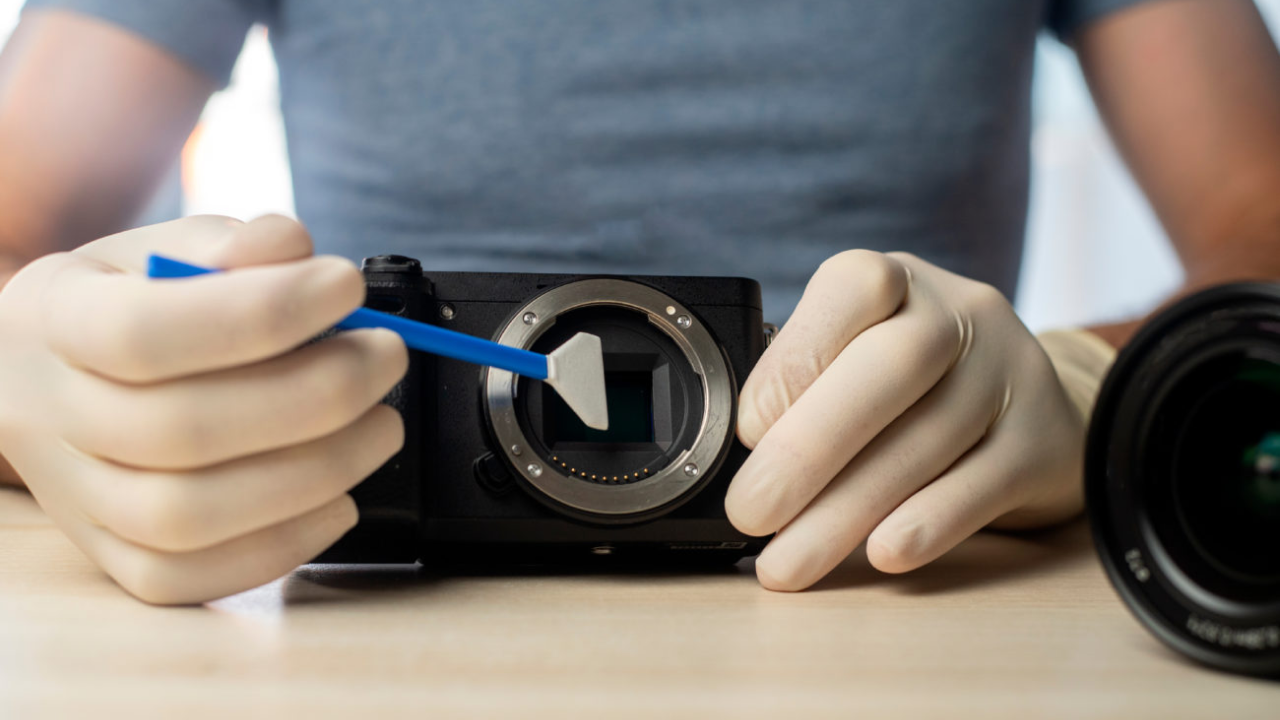
The camera sensor is a very important part inside your camera. Sometimes dust can get on the sensor, and this dust appears as small black dots in your photos. If your camera has a sensor cleaning function, you can try to clean the sensor yourself. The safest way to remove dust is by using a small air blower to gently blow the dust off without touching the sensor. Never touch the sensor with your fingers or use anything rough, because the sensor is very delicate and can easily get damaged. For a deep or serious cleaning, it is best to take your camera to a professional service center where experts can clean the sensor safely. Avoid trying risky or DIY cleaning methods at home, like using wet cloths or brushes, because these can cause permanent damage to your camera sensor. Taking care of your sensor will help keep your photos clear and sharp.
Tips for Travel
When you travel with your camera gear, you need to take extra care to keep it safe. Always use a strong camera bag with soft padding inside to protect your camera and lenses from shocks, bumps, or falls. Only pack the gear you really need for the trip so your bag stays light and easy to carry. Keep your batteries, memory cards, and chargers in a small pouch so they don’t get lost. Always carry your camera gear in your hand luggage, not in checked bags, because checked bags can be thrown or lost during flights. Keep a rain cover or plastic bag inside your camera bag in case of sudden rain, especially if you’re traveling to places with changing weather. It’s also a good habit to back up your photos every day during your trip, either on a laptop, cloud storage, or another memory card, so you don’t lose them if something happens to the card. Most importantly, always keep your camera close to you, especially in crowded places or public transport, to avoid theft or damage. Taking these simple steps will help you enjoy your trip and take great photos without worrying about your gear.
How Often to Clean
It is important to clean your camera gear regularly to keep it working well. You should clean the lens glass every time after using the camera. This helps remove dust, fingerprints, or smudges and keeps your photos clear. The camera body can be cleaned once a week or after shooting outside, especially if there is dust, sand, or dirt. Battery contacts should be checked and cleaned about once a month to make sure the battery connects properly and doesn’t lose power. The camera sensor should only be cleaned when needed—usually when you see black dots in your photos. Since the sensor is delicate, do not clean it often or without care. Your camera bag should also be cleaned every few months to remove dirt, crumbs, or moisture that may harm your gear. By following this simple cleaning schedule, you can keep your camera and gear in top condition and enjoy better performance for a long time.
Conclusion
Taking care of your camera gear is very easy if you make it a part of your regular routine. Just a few small steps can help your camera stay safe and work well for many years. Always clean your gear gently after each use, especially the lens, and check for any dust or damage. Store everything properly in a padded camera bag, and keep the bag in a dry, cool place. Avoid moisture, rain, and too much heat, as these can damage your camera and batteries. Also, handle your camera with care use straps, don’t drop your gear, and never touch the lens or sensor with your fingers. These simple habits will protect your gear, save you money, and help you take better photos every time. A well-cared-for camera means less stress and more fun while shooting. So, treat your gear with love, and it will serve you well for a long time.